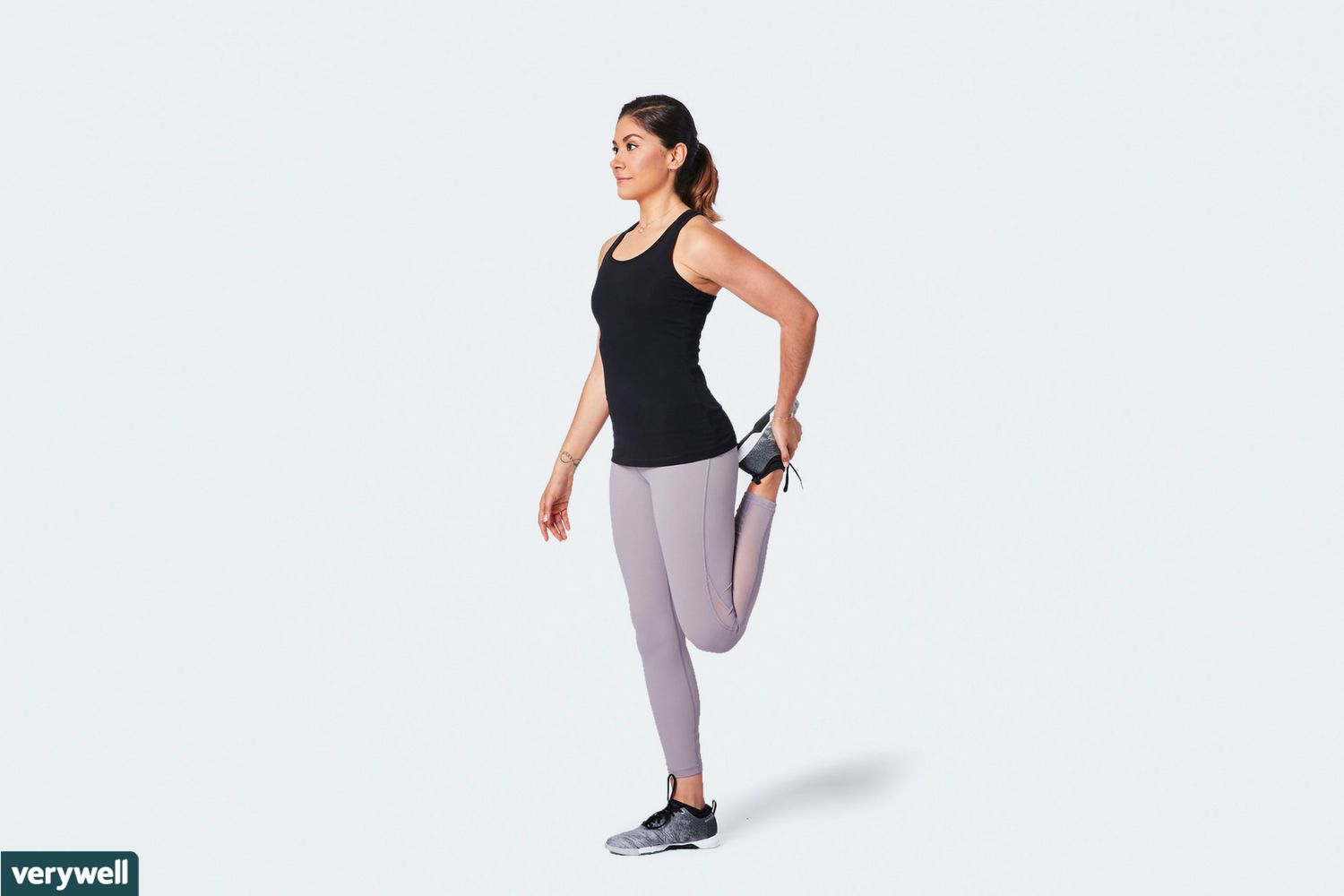
Creating a workout routine that fits your lifestyle makes it easier to stay consistent and enjoy the process. A plan that matches your daily schedule, energy level, and personal goals is more likely to become a long-term habit.
1. Identify Your Fitness Goals
Start by understanding what you want to achieve. Your goal could be improving overall fitness, increasing strength, reducing stress, or maintaining a healthy weight. Clear goals help you choose the right type of exercises.
2. Choose Activities You Enjoy
Select workouts that you genuinely enjoy, such as dancing, walking, yoga, cycling, or strength training. Enjoyable activities make it easier to stay motivated and maintain consistency.
3. Consider Your Daily Schedule
Pick a time for exercise that fits naturally into your routine. Some people prefer morning workouts for energy, while others feel more comfortable exercising in the evening.
4. Start Small and Build Gradually
Begin with short sessions, such as 15–20 minutes a few days a week. As your fitness improves, you can gradually increase the duration and intensity of your workouts.
5. Include Variety in Your Routine
A balanced routine should include different types of exercises such as cardio, strength training, and flexibility exercises. Variety keeps workouts interesting and helps work different muscle groups.
6. Listen to Your Body
Pay attention to how your body feels during and after exercise. Rest when needed and avoid pushing yourself too hard, especially when starting a new routine.